Innovations in Aluminum Casting Techniques for Contemporary Industries
Innovations in aluminum casting technologies are reshaping various industries by boosting efficiency and precision. Methods such as 3D printing and automation are enabling the creation of intricate designs while reducing waste. Additionally, the introduction of eco-friendly alloys supports sustainability targets. As these developments emerge, they raise questions about their long-term impact and helpful resource potential applications across sectors. What might the future hold for aluminum casting in an increasingly eco-conscious world?
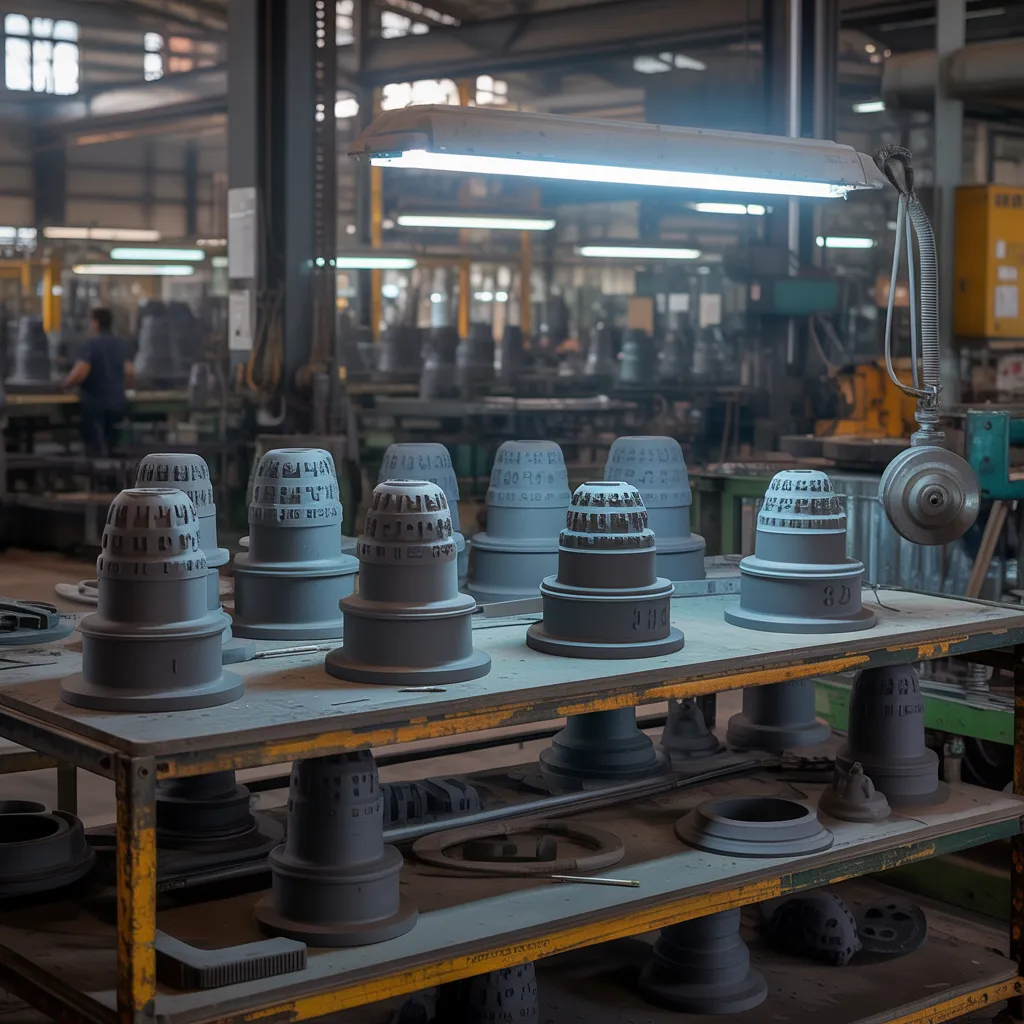
Aluminum Casting Introduction: Fundamentals and Advancements
The aluminum casting process stands as a vital process in manufacturing, marked by its capacity to produce complex shapes with precision. This versatile technique consists of pouring molten aluminum into a mold, allowing it to solidify into the intended form. Numerous methods, including sand casting, die casting, and investment casting, each offer unique strengths that serve different applications. Sand casting is chosen for its budget-friendly nature and flexibility, while die casting is known for its performance in producing bulk parts with tight tolerances. Advancements in aluminum casting have focused on enhancing material properties, improving energy efficiency, and reducing waste. Modern technologies such as computer-aided design (CAD) and simulation software have improved the design process, allowing manufacturers to enhance molds and predict casting outcomes. These advancements not only elevate product quality but also enable faster production cycles, positioning aluminum casting as a vital component in modern industrial applications, from automotive to aerospace.
The Emergence of 3D Printing in Aluminum Casting
As demand increases for more advanced manufacturing solutions, 3D printing has emerged as a transformative force in aluminum casting. This technology enables manufacturers to fabricate complex geometries that were previously challenging or unfeasible to achieve with traditional methods. By leveraging additive manufacturing techniques, companies can minimize material waste and shorten production cycles, making the casting process more productive and economical.
Moreover, 3D printing supports rapid prototyping, enabling faster iterations and refinements in design. This flexibility is crucial in industries such as aerospace and automotive, where accurate specifications are vital. Additionally, the integration of 3D printing in aluminum casting can bring about enhanced customization, permitting manufacturers to address specific client needs with greater ease. As this technology continues to evolve, it is poised to redefine the landscape of aluminum casting, promoting innovation and improving overall manufacturing capabilities across diverse sectors.
Improved Alloys: Innovations in Aluminum Casting Substances
The development of cutting-edge alloy formulations has considerably transformed aluminum casting materials. Breakthroughs in high-strength and lightweight alloys are allowing manufacturers to develop components that achieve demanding performance standards while reducing overall weight. These enhancements are pivotal for industries seeking to improve efficiency and sustainability in their products.
Sophisticated Specialty Alloy Formulations
As innovations in aluminum casting materials progress forward, advanced alloy formulations emerge as a substantial development in the industry. These formulations are designed to boost specific properties such as corrosion resistance, thermal conductivity, and mechanical strength. By incorporating elements like silicon, magnesium, and copper, manufacturers can customize alloys to meet the demanding requirements of diverse applications, from aerospace to automotive. The implementation of computational modeling and simulation techniques has sped up the discovery and optimization of these advanced alloys, enabling more efficient production processes. Additionally, the adoption of these innovative formulations contributes to minimizing waste and energy consumption during casting. As industries seek to improve performance and sustainability, advanced alloy formulations represent a key advancement in aluminum casting technology.
Lightweight and High-Strength Alloys
Advancements in aluminum casting have brought about the development of lightweight and high-strength alloys, which are increasingly essential in meeting industry demands for enhanced performance without compromising structural integrity. These alloys, such as the Al-Li and Al-Zn systems, offer superior strength-to-weight ratios, making them ideal for aerospace, automotive, and industrial applications. Improvements in casting techniques, including die casting and semi-solid processes, have further enabled the production of these advanced materials with enhanced mechanical properties. Additionally, the incorporation of alloying elements such as magnesium and silicon improves corrosion resistance and weldability. As industries champion sustainability, lightweight alloys also promote energy efficiency by reducing fuel consumption in transportation applications, showcasing their critical role in modern engineering solutions.
How Automation Drives Casting Efficiency
Automated technology transforms aluminum casting by enhancing operations and improving accuracy. The integration of robotic systems and advanced software facilitates real-time monitoring and control of casting processes, greatly reducing the likelihood of human error. Automated systems can efficiently manage the temperature and composition of molten aluminum, ensuring consistency in product quality.
Moreover, automation facilitates faster turnaround times by streamlining workflow and minimizing manual labor. Automated systems can function around the clock, increasing production rates while maintaining high standards. Furthermore, data analytics tools offer insights into operational performance, empowering manufacturers to make informed adjustments that enhance overall performance.
Consequently, businesses can realize higher yields and decreased waste, finally leading to cost savings. With these improvements, automation not only boosts efficiency in aluminum casting but also establishes the foundation for future innovations in manufacturing practices. This shift constitutes a critical development in meeting the demands of modern industries.
Green Technology Developments in Aluminium Casting
Eco-friendly advancements in aluminum casting are increasingly focused on reclaiming aluminum resources and adopting energy-efficient casting processes. Additionally, the development of environmentally conscious alloys is becoming prominent, intended to reducing the environmental impact of the casting process. These advancements not only support sustainability but also boost the overall efficiency of aluminum production.
Recycling Aluminum Resources
Although the aluminum casting industry has traditionally relied on virgin materials, the increasing emphasis on recycling aluminum is reshaping its landscape. Industry stakeholders more and more recognize the environmental and economic benefits of incorporating recycled aluminum, which requires only 5% of the energy needed for primary production. This shift not only lowers greenhouse gas emissions but also minimizes waste, supporting a circular economy. Sophisticated technologies, such as sorting and refining processes, enhance the quality of recycled aluminum, making it a viable alternative for diverse applications. In addition, the integration of recycled materials into casting processes encourages innovation, enabling manufacturers to reach sustainability goals while maintaining performance standards. As a result, recycling is becoming a cornerstone of modern aluminum casting practices.
Energy-Saving Die-Casting Methods
The aluminum casting field is steadily embracing energy-efficient techniques as it seeks to boost sustainability in conjunction with the use of recycled materials. Methods such as low-pressure casting and die casting have gained traction due to their ability to reduce energy consumption while maintaining high-quality outputs. Furthermore, innovations in furnace technologies, including induction heating, have significantly reduced energy use during the melting process. The integration of automation and process optimization further refines production, resulting in reduced energy requirements. Additionally, the industry is exploring sustainable energy sources, such as solar and wind power, to minimize reliance on fossil fuels. By implementing these energy-efficient casting approaches, the aluminum casting field is making advances toward a more sustainable future while fulfilling the demands of modern industries.
Sustainable Metallic Alloy Development
Trailblazers in the aluminum casting industry are persistently developing eco-friendly alloys that focus on both performance and environmental stewardship. These developments focus on reducing the carbon footprint linked to traditional aluminum production by incorporating recycled materials and alternative, less harmful elements. Researchers are investigating innovative combinations of aluminum with materials such as magnesium and silicon, seeking to enhance mechanical properties while minimizing ecological impact. Additionally, the development of bio-based additives is gaining traction, further reducing reliance on petroleum-based substances. Such efforts not only match global sustainability goals but also address consumer demand for greener products. As these eco-friendly alloys advance, they promise to change the industry, promoting a balance between high-quality performance and environmental responsibility.
Real-Life Uses of Current Aluminum Casting in Different Industries
Modern aluminum casting techniques have changed numerous industries by providing lightweight, robust, and budget-friendly solutions. In the automotive sector, these innovations enable manufacturers to fabricate intricate engine components that increase fuel efficiency and minimize emissions. Correspondingly, the aerospace industry takes advantage of aluminum castings, which result in weight reduction without sacrificing strength, consequently enhancing overall aircraft performance.
The consumer electronics industry also employs modern aluminum casting processes to produce sleek and sturdy housings for devices, guaranteeing durability while maintaining aesthetic appeal. Moreover, the construction industry employs aluminum castings for architectural elements, providing both functionality and design flexibility.
Moreover, the clean energy industry employs these technologies for components in wind turbines and solar panels, boosting efficiency and sustainability. In summary, the diverse applications of modern aluminum casting underscore its integral role in fostering efficiency and innovation across various industries.
FAQ
What Cost Factors Are Associated with New Aluminum Casting Technologies?
The economic considerations of modern aluminum casting technologies encompass considerable initial expenditures in apparatus and workforce training, prospective cuts in scrap and personnel costs, and enduring economic advantages through increased efficiency and production standards, positively impacting overall profitability.
What Impact Do Innovations Have on the Recycling Process of Aluminum?
Innovations improve the recycling process of aluminum by boosting efficiency and minimizing energy consumption. Modern methods streamline sorting and melting, generating higher quality recycled material, finally contributing to a more sustainable aluminum lifecycle and reduced environmental impact.
What Are the Key Safety Factors in Modern Aluminum Casting?
Safety considerations in modern aluminum casting include proper ventilation to decrease fume inhalation, the use of personal protective equipment to prevent burns and injuries, and strict adherence to industry regulations to safeguard worker safety.
In What Ways Do Different Industries Emphasize Aluminum Casting Innovations?
Diverse industries focus on aluminum casting innovations based on particular needs, such as weight reduction in automotive, corrosion resistance in aerospace, and cost efficiency in consumer goods, making certain advancements align with operational goals and market demands.
Which Certifications Are Available for Aluminum Casting Technologies?
Several certifications exist for aluminum casting technologies, encompassing ISO 9001 for quality management, ISO/TS 16949 for automotive standards, and ASTM standards for material specifications, guaranteeing adherence to industry requirements and improving product reliability and safety.